Four generators that power emergency systems at nuclear plants have failed when needed since April, an unusual cluster that has attracted the attention of federal inspectors and could prompt the industry to re-examine its maintenance plans.
None of these failures has threatened the public. But the diesel generators serve the crucial function of supplying electricity to cooling systems that prevent a nuclear plant's hot, radioactive fuel from overheating, melting and potentially releasing radiation into the environment.
That worst-case scenario happened this year when the Fukushima Dai-ichi nuclear plant in Japan lost all backup power for its cooling systems after an earthquake and tsunami.
Three diesel generators failed after tornadoes ripped across Alabama and knocked out electric lines serving the Tennessee Valley Authority's Browns Ferry nuclear plant in April. Two failed because of mechanical problems and one was unavailable because of planned maintenance.
Another generator failed at the North Anna plant in Virginia following an August earthquake. Generators have not worked when needed in at least a dozen other instances since 1997 because of mechanical failures or because they were offline for maintenance, according to an Associated Press review of reports compiled by the U.S. Nuclear Regulatory Commission.
 Israel’s plans to explore for gas off the coast of Gaza have drawn condemnation from rights...
 Drone strikes on Saudi Arabian oil facilities have disrupted about half of the kingdom's oil capacity,...
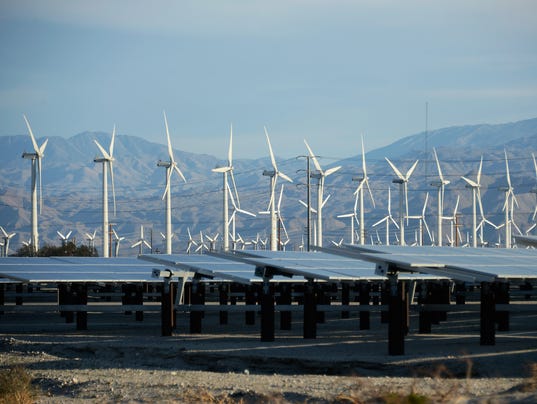 Solar power shines bright in California, and wholesale energy prices prove it. Last winter and early...