The mountain of refrigerators, cellphones, TV sets and other electrical waste disposed of annually worldwide is forecast to grow by a third by 2017, mostly in developing nations, according to a U.N. study released Sunday.
E-waste — defined as anything with a battery or a cord — can pose a big problem because it often contains substances that are harmful to humans and the environment if not properly disposed of. On the other hand, some of it can be profitably recycled.
The U.N. initiative Solving the E-Waste Problem — or StEP — based in Bonn, Germany, estimates that the amount of e-waste will rise from almost 53.9 million tons in 2012 to 72.1 million tons in 2017 (PDF). That's nearly 200 times the weight of the Empire State Building.
The U.S. dumped the most last year, generating 10.3 million tons of e-waste, followed by China with 8 million tons.
But China is catching up, evidenced by the fact that it had the highest volume of electrical goods put on the market last year with 12.2 million tons. The U.S. had about 11 million tons.
 A key government agency is proposing to lessen the scope of environmental reviews for nuclear reactors,...
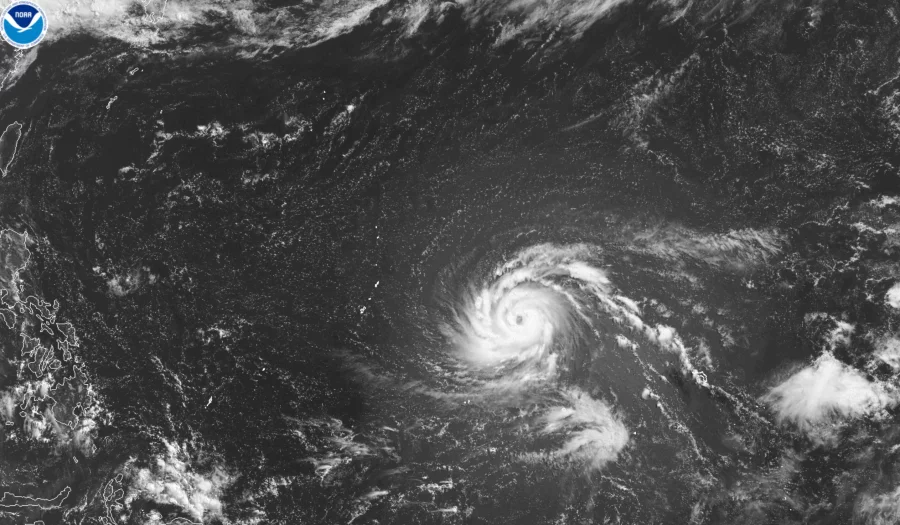 Super Typhoon Bavi is bringing intense winds to the remote U.S. territories of Guam and the...
 Lake Powell, the US’s second-largest reservoir, threatens to plunge to unprecedentedly low levels this year after...
 A “prolonged, dangerous heatwave” was sweeping across parts of the central and eastern United States on...