The honeybees that pollinate one-third of Americans’ daily diet are dying, and in the eyes of some environmentalists, one culprit may be a decades-old Environmental Protection Agency system.
The system, called “conditional registration,” is essentially a way to get pesticides on the market quickly. But to environmentalists and some experts, it has become too loose, letting potentially dangerous pesticides on the market, and letting some stay there too long.
Insecticides conditionally registered in the early 2000s have been blamed for impairing honeybees’ immune systems; in the past five years, the honeybee population has declined 20 to 30 percent each year, according to the U.S. Department of Agriculture.
“To continue to risk the collapse of our honeybee population and other insects that support our ecosystems is a tragedy,” said Jonathan Evans of the Center for Biological Diversity, a national environmental advocacy group.
The criticism of the EPA’s conditional registration system is nothing new. A Government Accountability Office report from August, for example, said the agency has a confusing record-keeping system for tracking pesticides — a problem the GAO first flagged in 1986. The recent report helped revive claims that conditional registration is unsafe.
 A key government agency is proposing to lessen the scope of environmental reviews for nuclear reactors,...
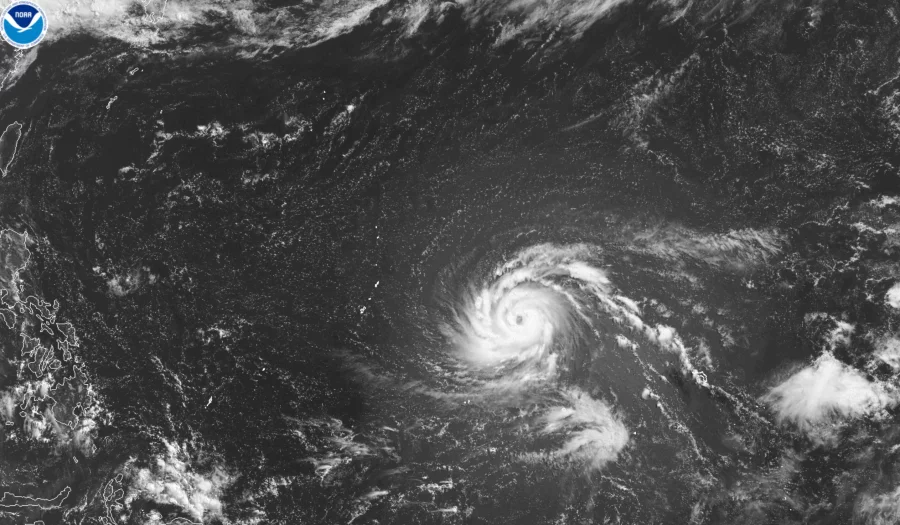 Super Typhoon Bavi is bringing intense winds to the remote U.S. territories of Guam and the...
 Lake Powell, the US’s second-largest reservoir, threatens to plunge to unprecedentedly low levels this year after...
 A “prolonged, dangerous heatwave” was sweeping across parts of the central and eastern United States on...