If you know one thing about fracking, it might be that the wells have been linked to explosive tap water. Of course, a tendency toward combustion isn't the biggest problem with gas-infused water; it's what could happen to you when you drink it.
Although the natural gas industry is notoriously tight-lipped about the ingredients of the chemical cocktails that get pumped down into wells, by now it's widely known that the list often includes some pretty scary, dangerous stuff, including hydrochloric acid and ethylene glycol (a.k.a. antifreeze). It's also no secret that well sites release hazardous gases like methane and benzene (a carcinogen) into the atmosphere.
So just how dangerous are fracking and other natural gas extraction processes for your health (not counting, for the sake of argument, explosions and earthquakes)? Is it true, as an activist-art campaign by Yoko Ono recently posited, that "fracking kills"?
The answer to that second question is probably not, especially in the short term and if you don't work on or live across the street from a frack site (which, of course, some people in fact do). But that doesn't mean it's okay to start fracking away next to kindergartens and nursing homes: Gas extraction produces a range of potentially health-endangering pollutants at nearly every stage of the process, according to a new paper by the California nonprofit Physicians Scientists & Engineers for Healthy Energy, released today in Environmental Health Perspectives, a peer-reviewed journal published by the National Institutes of Health.
 A key government agency is proposing to lessen the scope of environmental reviews for nuclear reactors,...
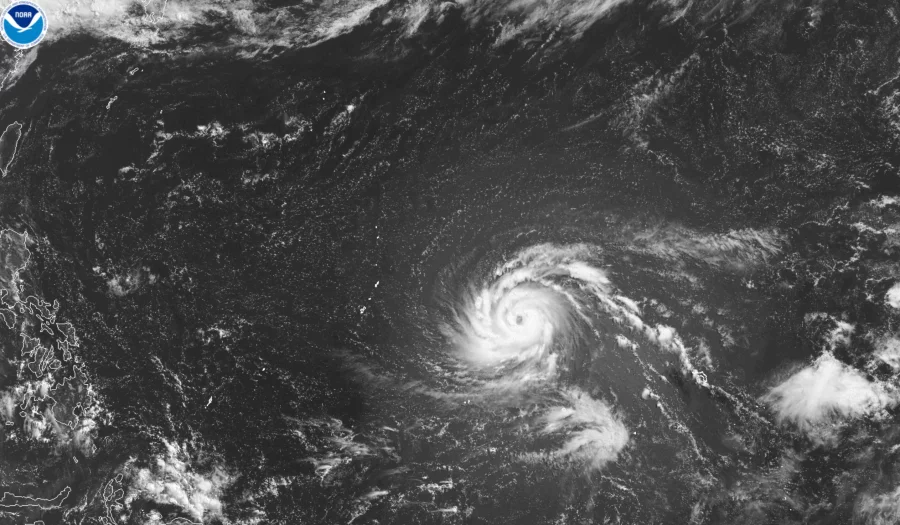 Super Typhoon Bavi is bringing intense winds to the remote U.S. territories of Guam and the...
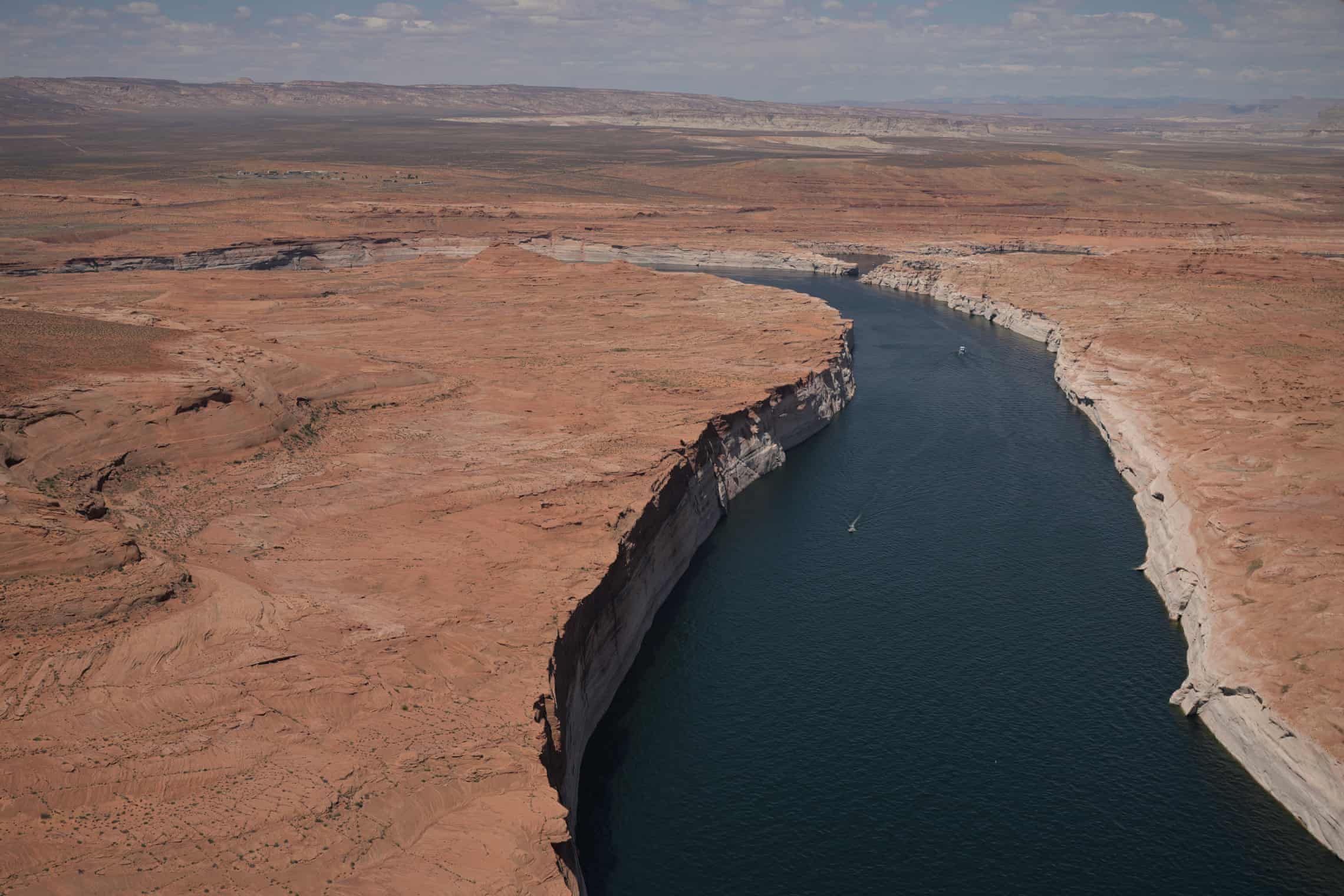 Lake Powell, the US’s second-largest reservoir, threatens to plunge to unprecedentedly low levels this year after...
 A “prolonged, dangerous heatwave” was sweeping across parts of the central and eastern United States on...