Melting at one of the largest ice caps on Earth has produced a big jump in its flow speed, satellite imagery suggests.
Austfonna on Norway's Svalbard archipelago covers just over 8,000 sq km and had been relatively stable for many years. But the latest space data reveals a marked acceleration of the ice in its main outlet glacier to the Barents Sea.
The research was presented in Brussels on Thursday to mark the launch of the EU's new Sentinel-1a radar spacecraft.
This satellite has been in orbit barely a month but is already being tasked with a range of science observations and other duties.
European Commission officials are keen to showcase the platform's capabilities before it goes into full service, including what it can do at high latitudes.
 A key government agency is proposing to lessen the scope of environmental reviews for nuclear reactors,...
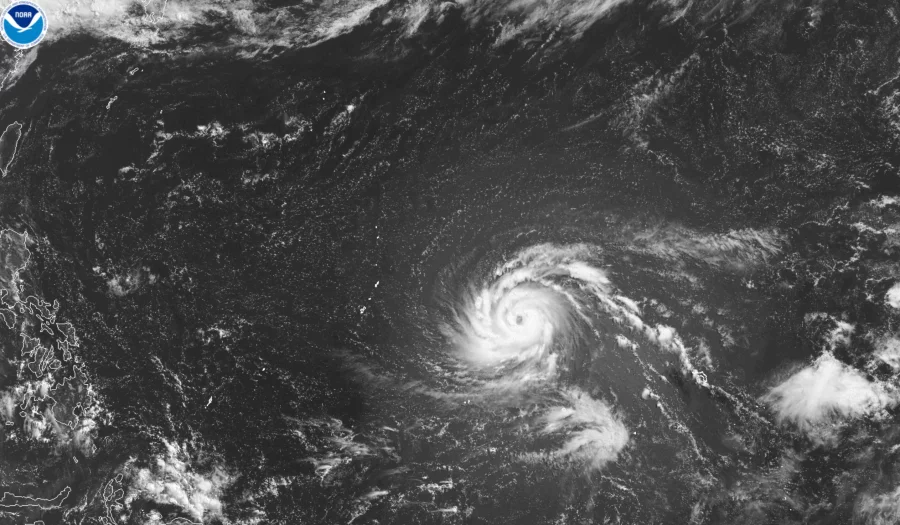 Super Typhoon Bavi is bringing intense winds to the remote U.S. territories of Guam and the...
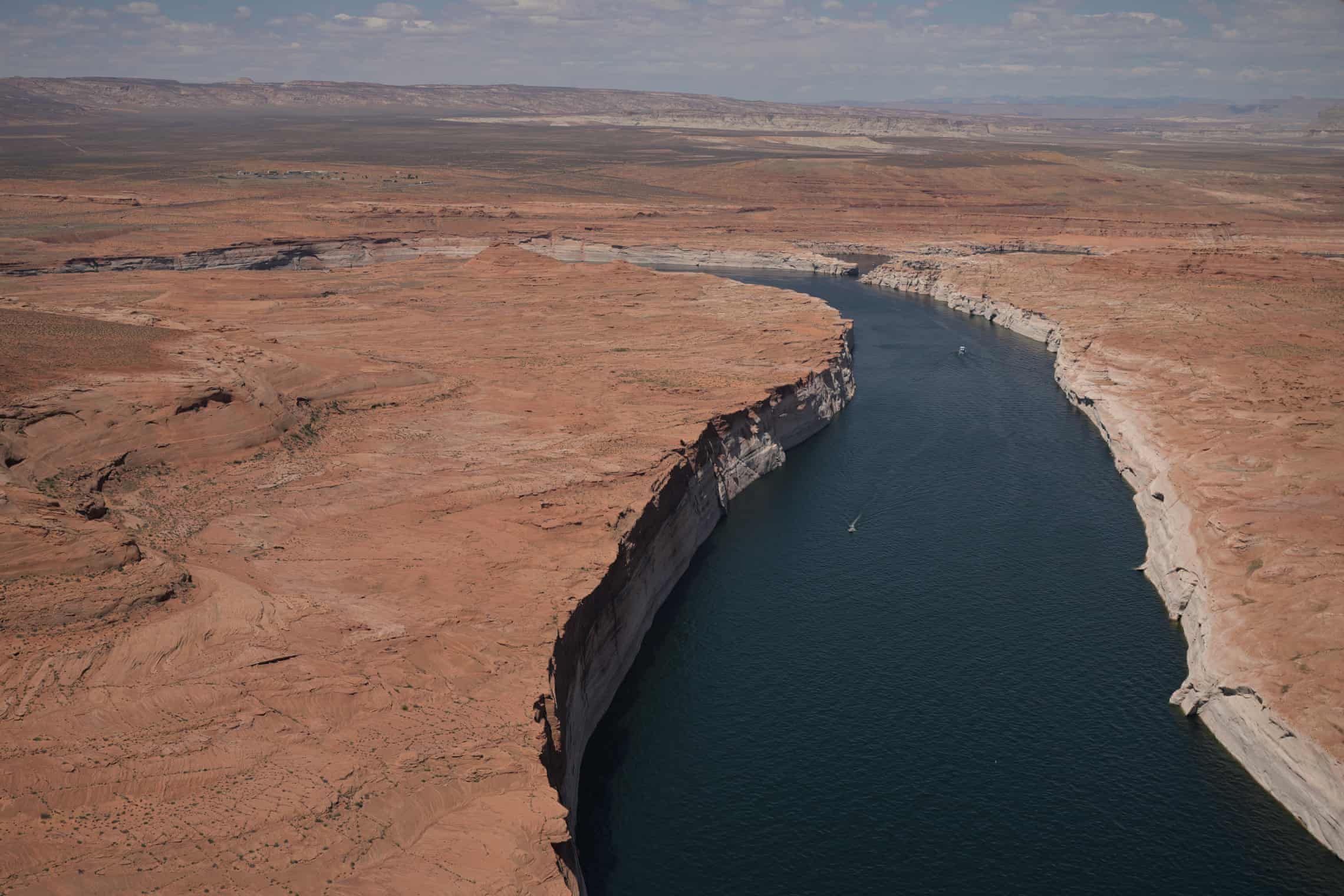 Lake Powell, the US’s second-largest reservoir, threatens to plunge to unprecedentedly low levels this year after...
 A “prolonged, dangerous heatwave” was sweeping across parts of the central and eastern United States on...