When an Israeli settler killed dozens of Palestinian worshippers during Ramadan at the Ibrahimi Mosque in 1994, the shock reverberated far beyond Hebron.
The massacre marked a tragic turning point for the sacred site in the occupied West Bank and its Islamic identity.
In its aftermath, Israel tightened its grip, consolidating control over the mosque and imposing ever-escalating restrictions on Muslims.
Now, 32 years on, the atmosphere inside the mosque feels bleaker than ever.
Hosni al-Rajbi, 74, was one of the 125 Palestinians who were wounded during the massacre but survived. Today, he resolutely continues to pray at the ancient site, propped up by a wooden cane.
Pausing in a covered alleyway as he leaves the mosque, Rajbi says Ramadan night prayers this year are weighed down with an anguish about the fate of the mosque, Hebron and Palestine.
The strain felt by the community is even worse than after the massacre three decades ago, he says.
Barely any worshippers are able to reach the mosque because of Israeli restrictions and harassment.
 A federal judge on Tuesday permanently blocked Alabama from executing a man with nitrogen gas after...
 The Department of Justice’s civil rights division was once known as the crown jewel of the...
 Israeli troops shot at a car in the occupied West Bank, killing a 7-month-old Palestinian baby...
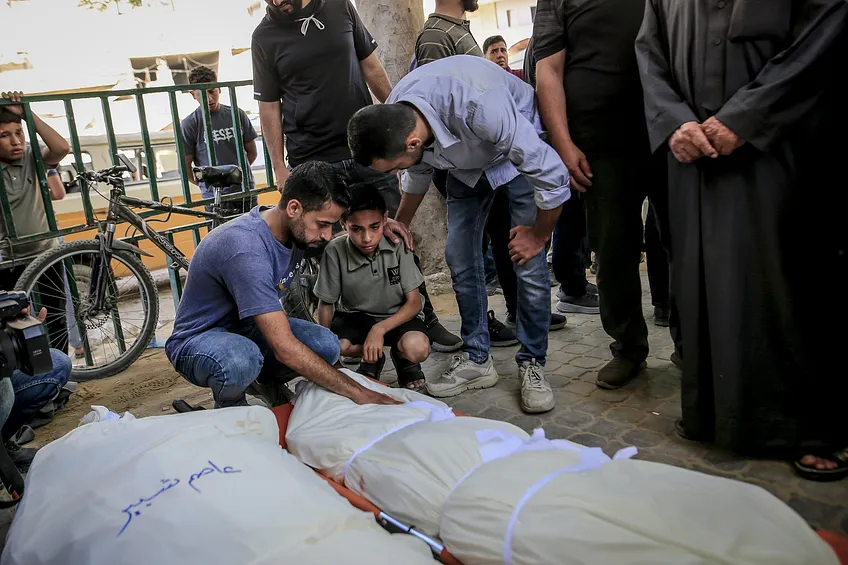 Palestine casualty count: Over the last 24 hours, 11 Palestinians were killed and 32 injured in...