Energy Glance
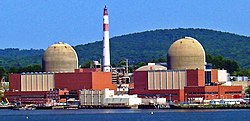 According to Biff Bradley, the director of risk assessment for the Nuclear Energy Institute, it's almost impossible to try to rank the absolute safety risk of a plant, due to the number of variables that would be involved in any sort of direct comparison.
But given that some fundamental risks are obvious and plant safety records are public, relative risks can be measured. For instance, nearly half of the 104 nuclear reactors operating in the United States are close to major fault lines, including the Diablo Canyon and San Onofre plants located near California's San Andreas Fault. The Indian Point nuclear power plant in New York is less than two miles from the Pampano fault line, and sits within 50 miles of more than 17 million people.
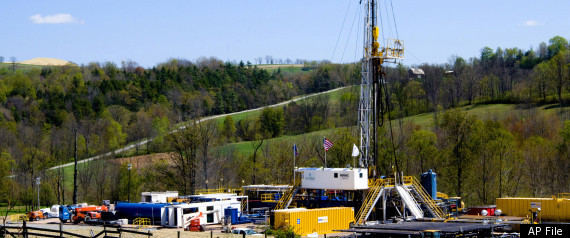 The number and strength of earthquakes in central Arkansas have noticeably dropped since the shutdown of two injection wells in the area, although a state researcher says it's too early to draw any conclusions.
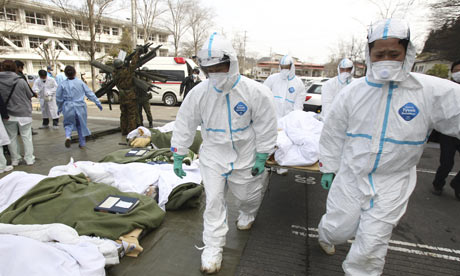 The gung-ho nuclear industry is in deep shock. Just as it and its cheerleader, the International Atomic Energy Agency, were preparing to mark next month's 25th anniversary of the Chernobyl accident with a series of self-congratulatory statements about the dawning of a safe age of clean atomic power, a series of catastrophic but entirely avoidable accidents take place in not one but three reactors in one of the richest countries of the world. Fukushima is not a rotting old power plant in a failed state manned by half-trained kids, but supposedly one of the safest stations in one of the most safety-conscious countries with the best engineers and technologists in the world.
 When Congress considered whether to regulate more closely the handling of wastes from oil and gas drilling in the 1980s, it turned to the Environmental Protection Agency to research the matter. E.P.A. researchers concluded that some of the drillers’ waste was hazardous and should be tightly controlled.
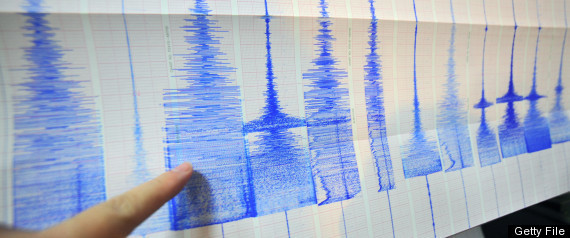 The U.S. Geological Survey has recorded three earthquakes in Arkansas near the small town of Greenbrier, north of Little Rock.
 A California company has begun using solar power to squeeze oil out of an old oil field, flooding the underground rock with steam that comes from the sun’s heat instead of from burning natural gas.
 A report released Monday concludes that electric deregulation has cost Texas residential consumers more than $11 billion in higher rates and that the operator of the state's major power grid, the Electric Reliability Council of Texas, has been poorly managed and industry-dominated.