Health Glance
 Environmental carcinogens are responsible for a far greater number of cancers than previously believed -- a fact that suggests eradicating these environmental threats should be a priority for President Obama -- according to the report of a presidential advisory panel.
Cancers from Environment 'Grossly Underestimated'
FDA investigating recall of children's medicine
 The Food and Drug Administration said Saturday it was investigating a health-care company for possible other problems following its recall of more than 40 over-the-counter infant's and children's liquid medications.
McNeil Consumer Healthcare, based in Fort Washington, Pa., issued the voluntary recall late Friday in the United States and 11 other countries after consulting with the FDA. The recall involves children's versions of Tylenol, Tylenol Plus, Motrin, Zyrtec and Benadryl, because they don't meet quality standards.
Health Ministry Finds that Fluoridation Does Not Reduce Tooth Decay
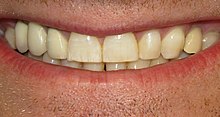 Statistics from a study conducted by the New Zealand Ministry of Health suggest that there are no advantages derived from fluoridation. These statistics actually match similar arguments set forth by the American Dental Association.
Iceland has longest-lived men, U.S. scores poorly
AIDS, smoking and obesity are reversing progress made in helping people live longer around the world, with mortality rates worsening over the past 20 years in 37 countries, researchers reported on Thursday.
They found Icelandic men have the lowest risk of premature death, while Cypriot women do. Some rich countries such as the United States and Britain scored relatively poorly, the survey found.
FDA warns of defects in Cardiac Science defibrillators
 U.S. health regulators warned on Tuesday about faulty components in more than a dozen types of external defibrillators made by Cardiac Science Corp (CSCX.O), sending its shares down as much as 32 percent.
The agency cited 14 models made by Cardiac Science, some of which are sold by other companies such as General Electric Co's (GE.N) GE Healthcare unit.
Milk thistle herb protects liver from damage caused by chemotherapy
 The herbal supplement milk thistle may prevent liver damage in people undergoing chemotherapy, according to a new study conducted by researchers from Columbia University Medical Center and published in the journal Cancer.
Study links chocolate and depression
 Researchers at UC San Diego and UC Davis examined chocolate consumption and other dietary intake patterns among 931 men and women who were not using antidepressants. The participants were also given a depression screening test.
Those who screened positive for possible depression consumed an average of 8.4 servings of chocolate — defined as one ounce of chocolate candy — per month. That compared with 5.4 servings per month among people who were not depressed.
More Articles...
Page 156 of 234