International Glance
 Japanese officials warned of a possible second explosion at a nuclear plant crippled by the earthquake and tsunami as they raced to stave off multiple reactor meltdowns, but they provided few details about whether they were making progress. More than 180,000 people have evacuated the area, and up to 160 may have been exposed to radiation.
Four nuclear plants in northeastern Japan have reported damage, but the danger Monday appeared to be greatest at the Fukushima Dai-ichi nuclear complex, where one explosion occurred over the weekend and a second was feared.
180K flee as Japan's nuke-plant crisis intensifies
UK defense contractor bribed Saudi Prince for jet fighter deal
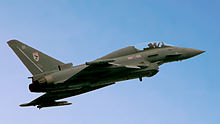 British-based defense contractor BAE Systems PLC bribed Saudi officials in return for lucrative arms deals in Saudi Arabia, according to a newly released secret U.S. diplomatic cable.
Britain's anti-fraud agency told a private OECD meeting in Paris in 2007 that it had evidence that BAE, Europe's largest defense contractor, paid more than 70 million pounds ($113 million) to a Saudi prince with influence over a series of contracts for fighter jets with Saudi Arabia, said the cable from the U.S. embassy in Paris, released by WikiLeaks website on Friday.
UN official: Israel kidnapped Palestinian engineer from Ukraine
 Israel security forces may have abducted a Palestinian engineer and suspected Hamas official in the Ukraine, a UN official told the Associated Press on Thursday, adding he suspected Ukrainian security aided the operation.
Dirar Abu Sisi, 42, went missing "under unknown circumstances" in the early hours of Feb. 19 after boarding a train in the eastern city of Kharkiv bound for the capital Kiev, according to Viktoria Kushnir, a spokeswoman for the Interior Ministry. He was in Ukraine applying for citizenship.
Secret FBI, CIA Documents and Sex Video Tapes Found At Egypt’s Terror Police Headquarters
 This mountain of shredded paper taking over several rooms was found inside the Egyptian Secret Police's headquarters in Cairo last Saturday. About 2,500 angry demonstrators invaded the building in what Egyptians are now calling their Bastille Day, finding documents and tapes that may soon send shockwaves around the world.
Intelligence report alters Iran nukes outlook
 An annual intelligence report to Congress has dropped language stating that Iran’s nuclear weapons ambitions are a future option. The revision comes as U.S. intelligence agencies recently altered a controversial 2007 intelligence assessment that said Iran halted work on nuclear arms in 2003 and was keeping open its options for building an atomic weapon.
The deleted language also had stated for two years that Iran was keeping open the option to build atomic weapons. However, the latest report to Congress, which was made public Feb. 23, no longer states that Iran’s building a weapon is an option.
'Israel's 2002 hit of Hamas leader was justified, despite 13 civilian casualties'
 Israeli military and political officials should not be forced to assume personal responsibility for the 2002 Gaza assassination of a Hamas strongman which resulted in the death of 13 innocent Palestinians, a panel probing the incident said in its report on Sunday.
On July 22, 2002 an Israeli plane dropped a 1-ton bomb on a house in Gaza City in which Hamas military wing commander Salah Shehadeh was staying. In addition to Shehadeh and his aide, 13 civilians, including eight children were killed in the incident.
As protests crackdowns continue, West lines up to sell arms
 More than 80 British firms are represented at the ongoing International Defence Exhibition and Conference (IDEX) in Abu Dhabi, including BAE, Thales UK and Motorola UK. The firms are offering everything from weapons and communications equipment to parachutes and uniforms.
Lockheed Martin and L-3 communications from the US, France's Renault and Germany's Rhinemetall AG are among other major defence multinationals represented at IDEX.
More Articles...
- American who sparked diplomatic crisis over Lahore shooting was CIA spy
- Mubarak Toppled by CIA Because He Opposed US Plans for War with Iran; US Eyes Seizure of Suez Canal; Was this the Threat that Forced Mubarak to Quit?
- Israeli students are learning how to annex Hebron
- Argentina and US row over seized US military material
Page 130 of 193