Science Glance

Get ready for some shooting stars — this weekend is the peak of the annual Perseid meteor shower, the beloved astronomical event that sends bright streaks of light streaming across the night sky.
This year's show should be a good one, "mainly because the moon isn't going to interfere," says Michelle Nichols, director of public observing with the Adler Planetarium in Chicago. "We can have different reasons why a meteor shower may be better one year versus the next, and a lot of times it's the phase of the moon."
Because the waning crescent moon will be just a little sliver that rises late, the sky will be dark, creating the ideal backdrop for the meteor shower's celestial fireworks.
Plus, the fact that the peak arrives on the weekend means that many folks can stay up late or get up before dawn without the usual worries about having to go to work after losing sleep.
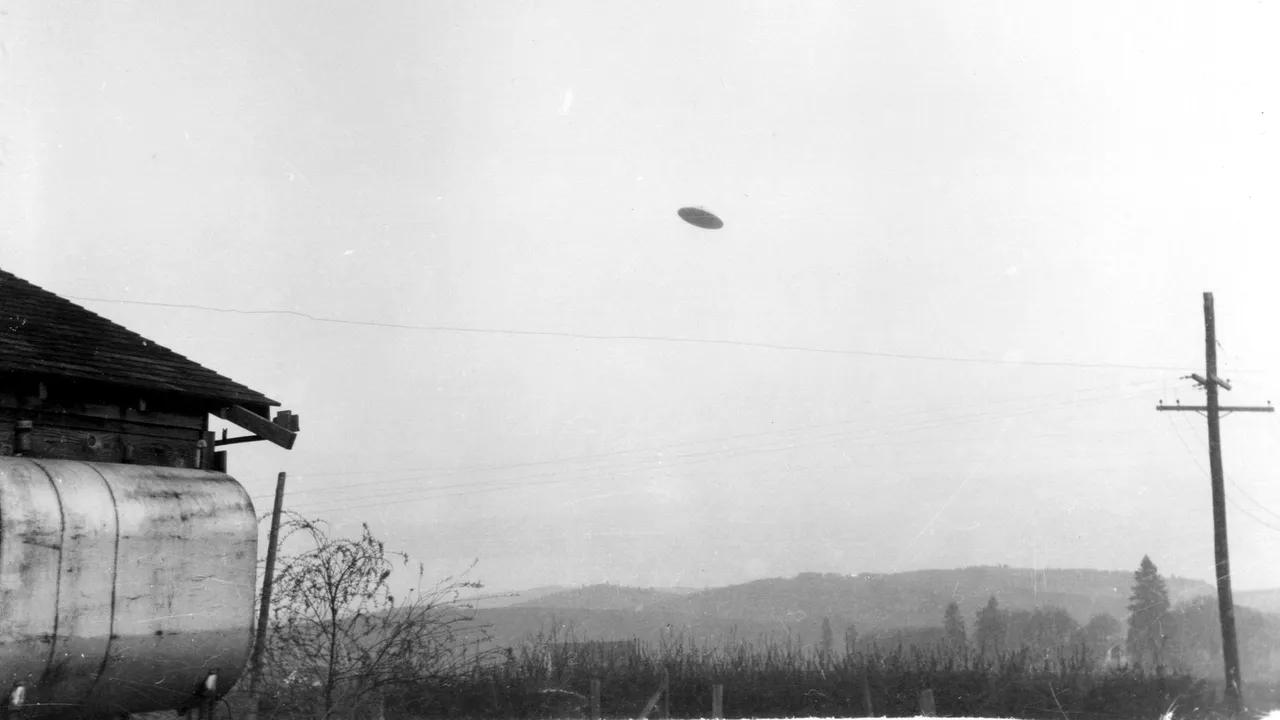 It was just a normal day's flying for Alex Dietrich – until it wasn't. Streaking through the sky over the tranquil expanse of the Pacific Ocean near San Diego, the US Navy lieutenant commander was taking her F/A-18F Super Hornet fighter jet on a training mission with a colleague in another plane. Then came a voice through the crackle of the radio.