Human Rights Glance
Migrants at a Miami immigration jail were shackled with their hands tied behind their backs and made to kneel to eat food from styrofoam plates “like dogs”, according to a report published on Monday into conditions at three overcrowded south Florida facilities.
The incident at the downtown federal detention center is one of a succession of alleged abuses at lails operated by Immigration and Customs Enforcement Agency (Ice) n the state since January, chronicled by the advocacy groups Human Rights Watch, Americans for Immigrant Justice, and Sanctuary of the South from interviews with detainees.
Dozens of men had been packed into a holding cell for hours, the report said, and denied lunch until about 7pm. They remained shackled with the food on chairs in front of them.
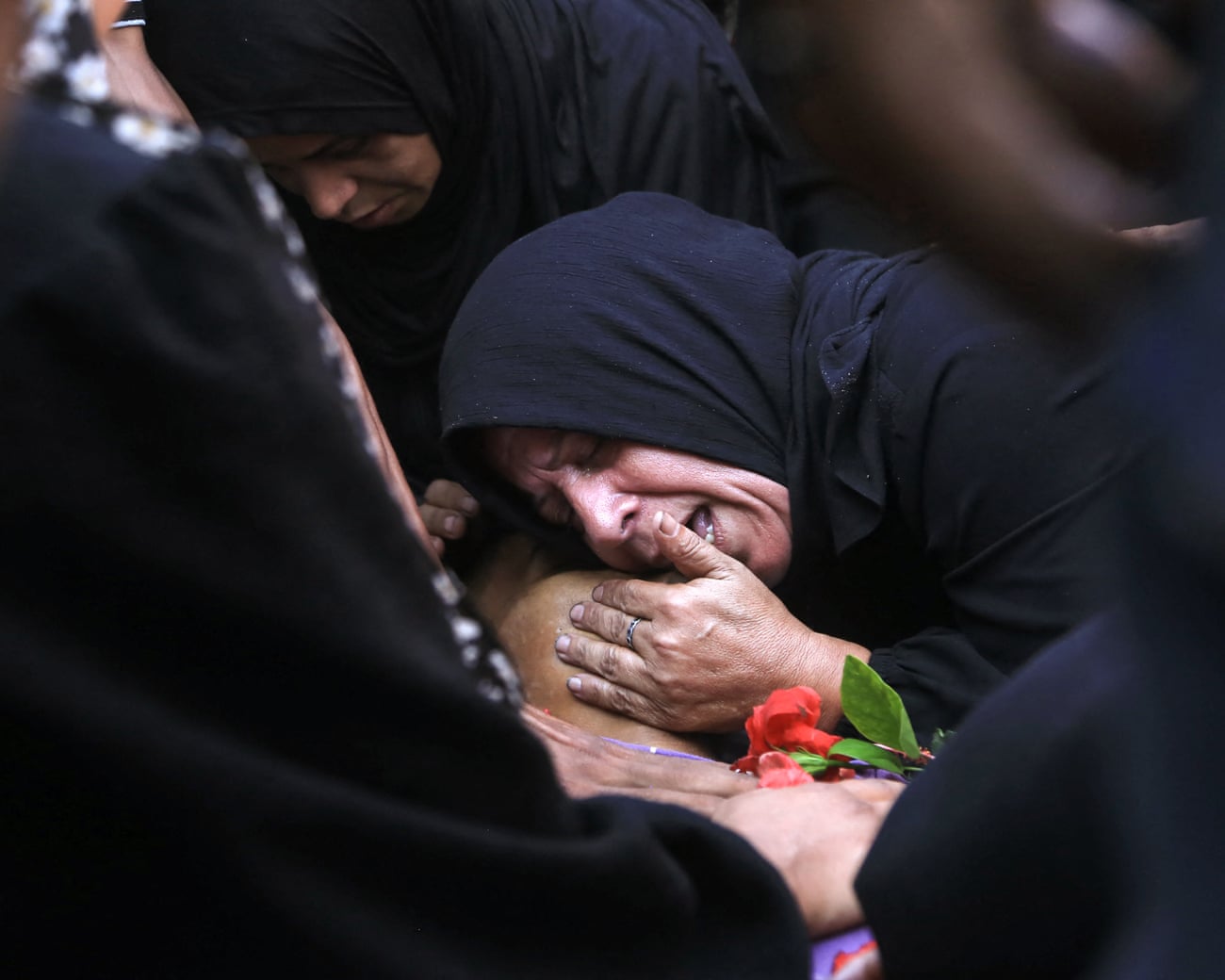 At least 32 people were killed and more than 100 injured on Saturday morning when Israeli troops opened fire on crowds of Palestinians seeking food from two aid distribution hubs in southern Gaza, according to witnesses and hospital officials.
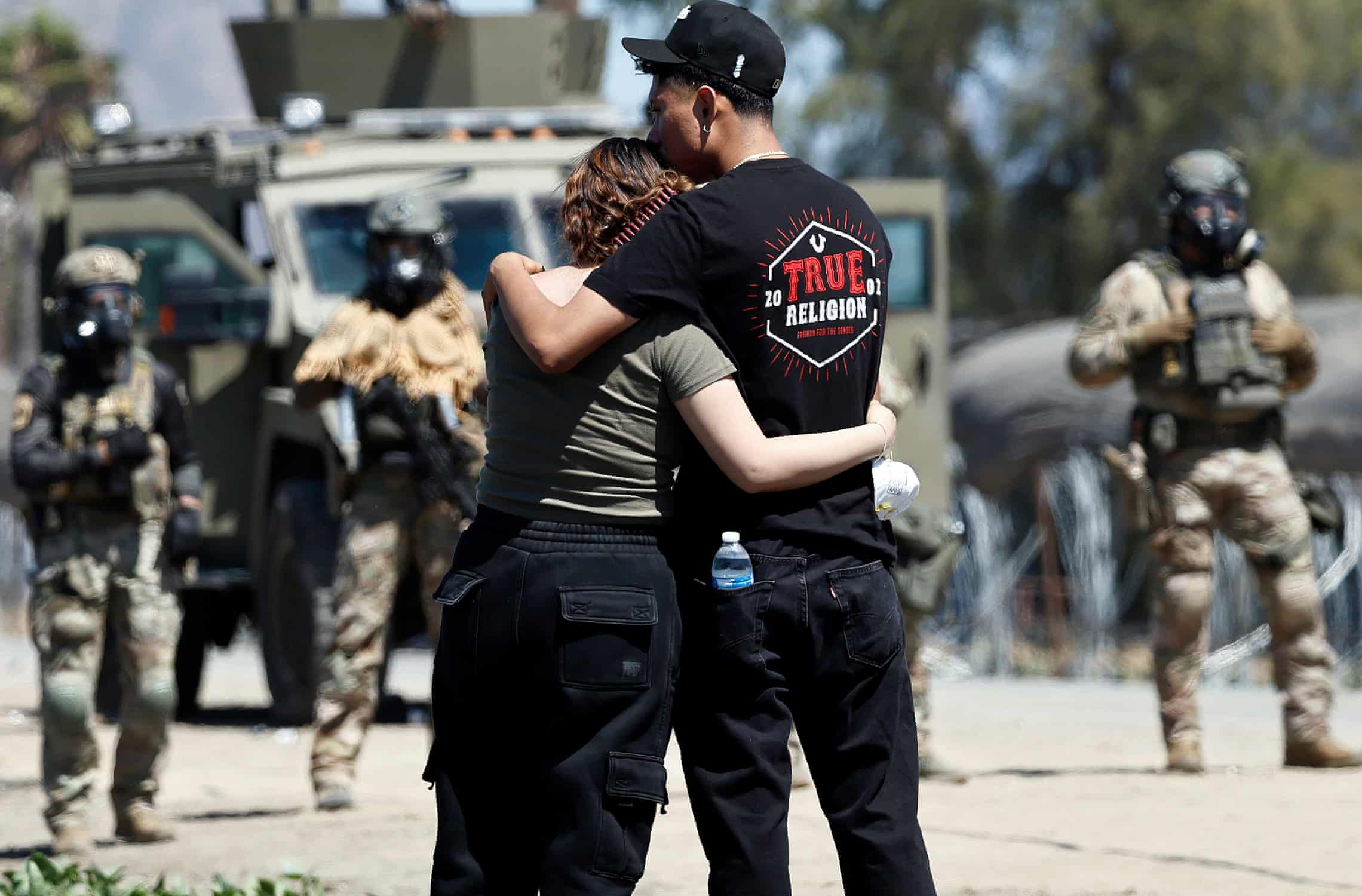 A farmworker died Friday from injuries that he sustained a day earlier in raids on two California cannabis farm sites as US immigration authorities confirmed they arrested 200 workers after a tense standoff with authorities.
 Israel's ongoing blockade of humanitarian assistance for Gaza forced a leading aid group to shut its community soup kitchens Thursday as it faced empty warehouses and no replenishment of supplies in the war-battered enclave.